Newsroom
Press
Codenotary’s press coverage and news releases
securityboulevard.com · 10/14/26
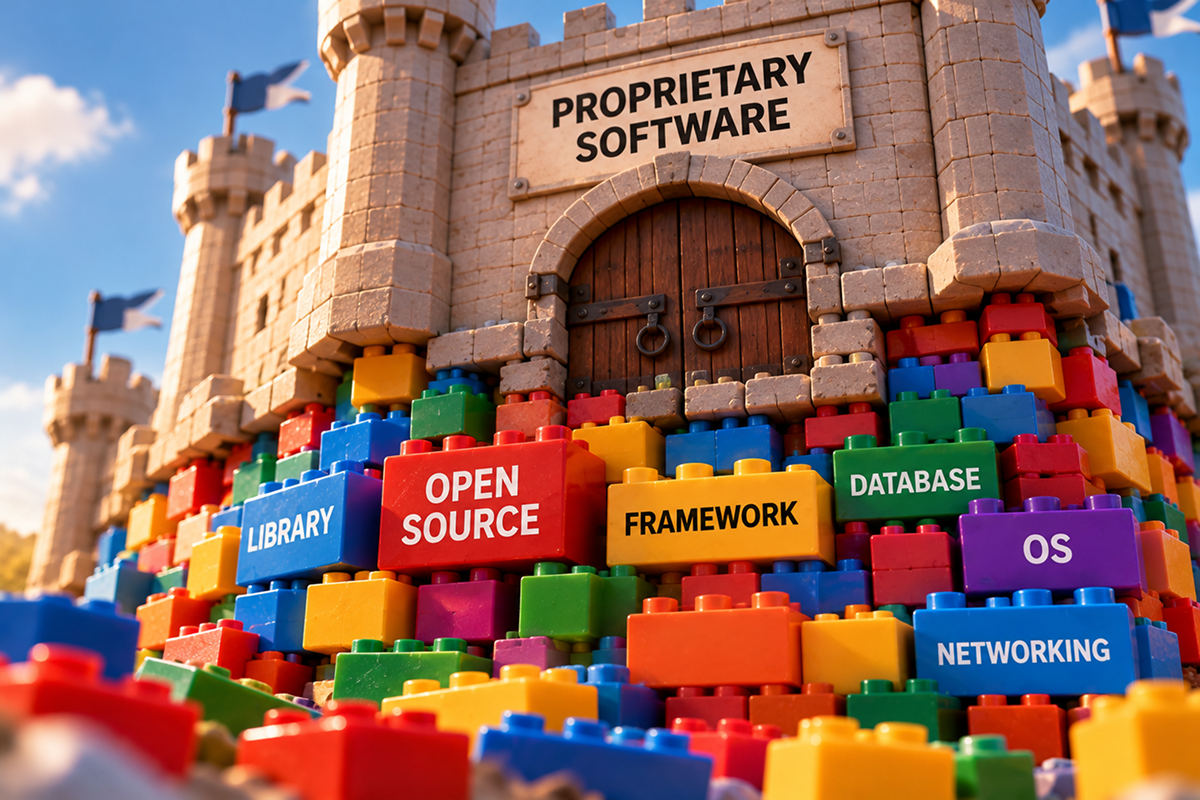
Will AI Vulnerability Hunting Drive Software Back Behind Closed Doors?
Artificial intelligence is becoming remarkably good at finding vulnerabilities in software. Only a few years ago, AI-based vulnerability discovery was largely a research exercise. That is changing quickly. Google’s OSS-Fuzz project reported in 2024 that AI-generated and enhanced fuzzing targets had uncovered 26 previously unknown vulnerabilities in mature open-source projects, including a vulnerability in OpenSSL that Google said may have existed for two decades.
computerweekly.com · 10/13/26
Who did that? Codenotary wants AI agents to leave an audit trail
The Computer Weekly Developer Network met with the company’s CEO and co-founder Moshe Bar to talk about where we stand, in key developer terms, with system architecture and code constructs in the face of modern cyber risks.

fossforce.com · 10/11/26
Fresh Eyes on Old Code: AI and Open Source Security
Open source software has become fundamental to modern application development. Few development teams today build an application entirely from first principles. Instead, they depend on open source databases, libraries, frameworks, cryptographic components, web servers, and thousands of smaller packages that allow them to deliver software far more quickly.

fossforce.com · 10/02/26
The EU Is About to Make Linux’s Vulnerability Management Problem Harder to Ignore
For Linux administrators, keeping systems patched has always been one of those jobs that sounds considerably easier than it actually is. Run the updates. Reboot when necessary. Watch the security mailing lists. Done. Except that isn’t how real Linux environments work.

devops.com · 10/01/26
From Software Supply Chains to AI Vulnerabilities: Why Neither Solves Enterprise Linux Security
For nearly a decade, cybersecurity has been dominated by one overarching concern: securing the software supply chain. Organizations invested heavily in Software Bills of Materials (SBOMs), artifact signing, provenance frameworks, reproducible builds, and vulnerability scanners capable of identifying compromised dependencies before software reached production.
medium.com · 10/01/26
Static Security Policies Cannot Protect Autonomous AI Agents
The first generation of enterprise AI security has largely followed the same pattern organizations have used for decades: security teams define a set of rules, deploy them into production, and periodically update them as new threats emerge. That approach worked reasonably well for traditional applications because software behavior changed slowly and attack techniques evolved over months or years.
efficientlyconnected.com · 09/30/26
Codenotary AgentMon Start: AI Agent Monitoring for SMBs
Codenotary has announced AgentMon Start, an AI agent monitoring platform designed specifically for small and mid-sized businesses. The product delivers continuous visibility into autonomous AI agent behavior, token cost tracking, governance controls, and security anomaly detection without requiring cloud deployment or a dedicated security team.
sdtimes.com · 09/25/26
AI Coding Tools in Mid-2026: High Adoption, Low Trust, and What It Means for Developers
Artificial intelligence has become deeply embedded in the modern software development workflow. From generating code snippets to debugging complex applications, AI-powered coding assistants are no longer experimental. They are everyday tools for millions of developers worldwide. Yet, despite this widespread adoption, one issue continues to define the relationship between developers and AI, trust.
techstrong.ai · 09/25/26
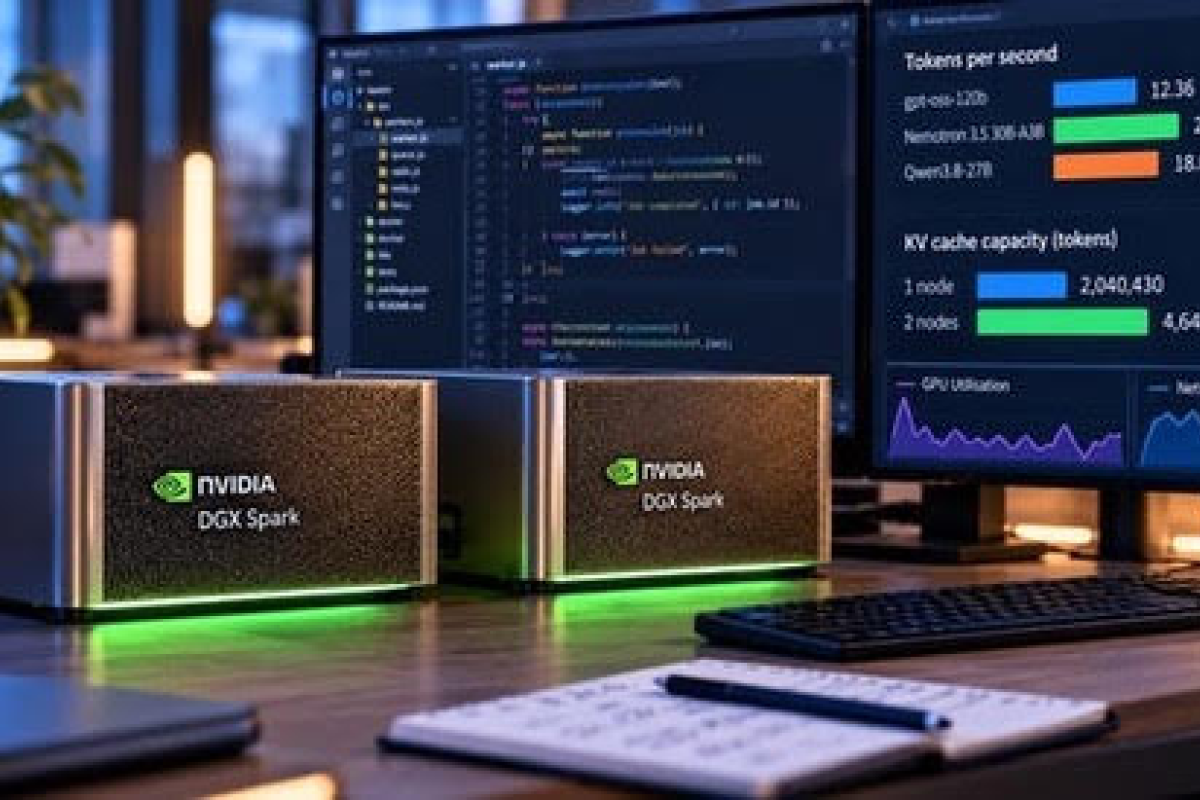
Two NVIDIA DGX Sparks, Three Open Models, and the Benchmark that Misled Us
Artificial intelligence is increasingly moving out of the cloud and onto hardware that organizations can own and operate themselves. That matters because modern AI coding tools can send enormous amounts of source code, documentation and other potentially sensitive data through a model while an engineer works. Until recently, running models powerful enough for serious software development required expensive data-centre infrastructure and specialist expertise. A new class of compact AI systems is changing that equation.

efficientlyconnected.com · 09/24/26
Codenotary Expands Free Linux Security to Debian and Ubuntu
Codenotary has expanded its free Linux security program to Debian and Ubuntu, following what the company describes as strong uptake of a similar offer for AlmaLinux users announced in July 2026. The program gives organizations full access to the Codenotary security platform for up to 25 Linux machines at no cost, with no feature restrictions and no expiration date.
01net.it · 09/22/26
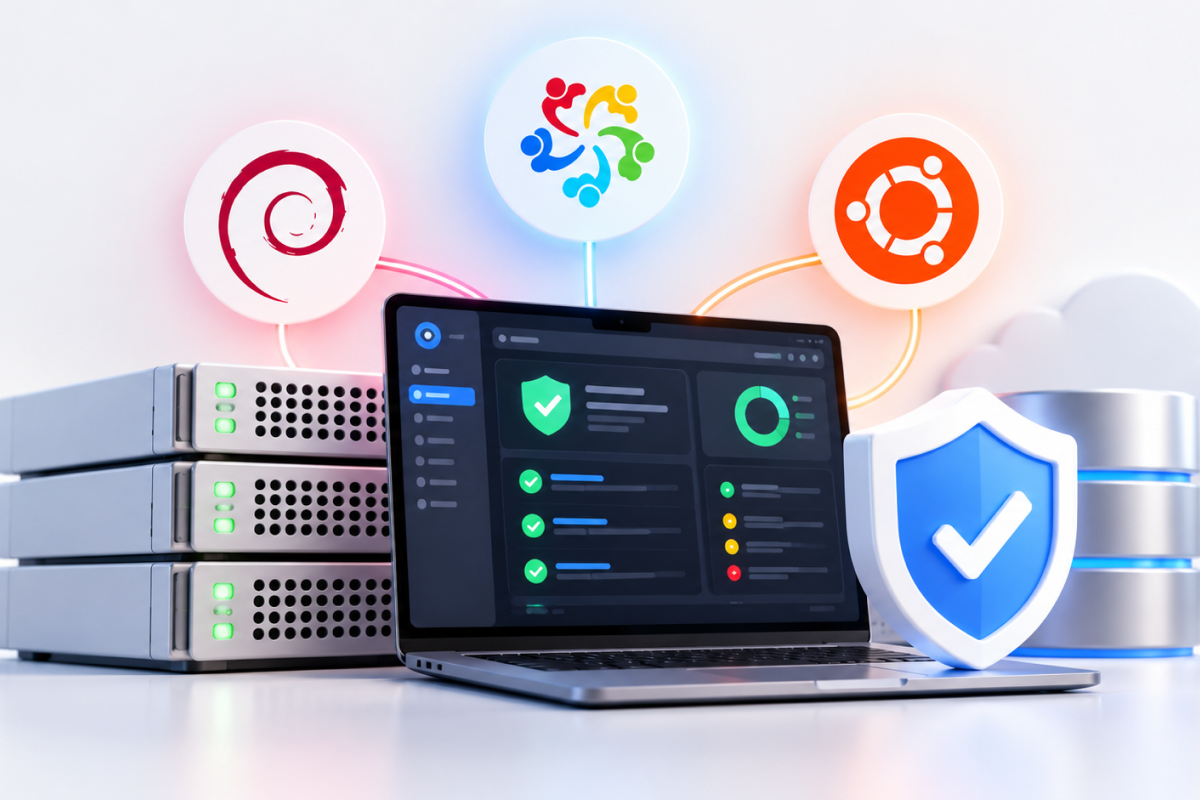
Codenotary Expands Free Linux Security Program to Debian and Ubuntu
Codenotary, leaders in assuring safe and secure use of AI, today announced the expansion of its free Linux security program to Debian and Ubuntu giving organizations access to the complete Codenotary security platform for their first 25 Linux machines at no cost, with no feature restrictions and no expiration date.
devopsdigest.com · 09/22/26
Codenotary Expands Free Linux Security Program to Debian and Ubuntu
Codenotary announced the expansion of its free Linux security program to Debian and Ubuntu giving organizations access to the complete Codenotary security platform for their first 25 Linux machines at no cost, with no feature restrictions and no expiration date.

fossforce.com · 09/22/26
Codenotary Expands Its No-Strings-Attached Linux Security Deal
The company’s permanently free security platform for up to 25 machines is now available to organizations running Debian and Ubuntu, as well as AlmaLinux.
securityboulevard.com · 09/22/26
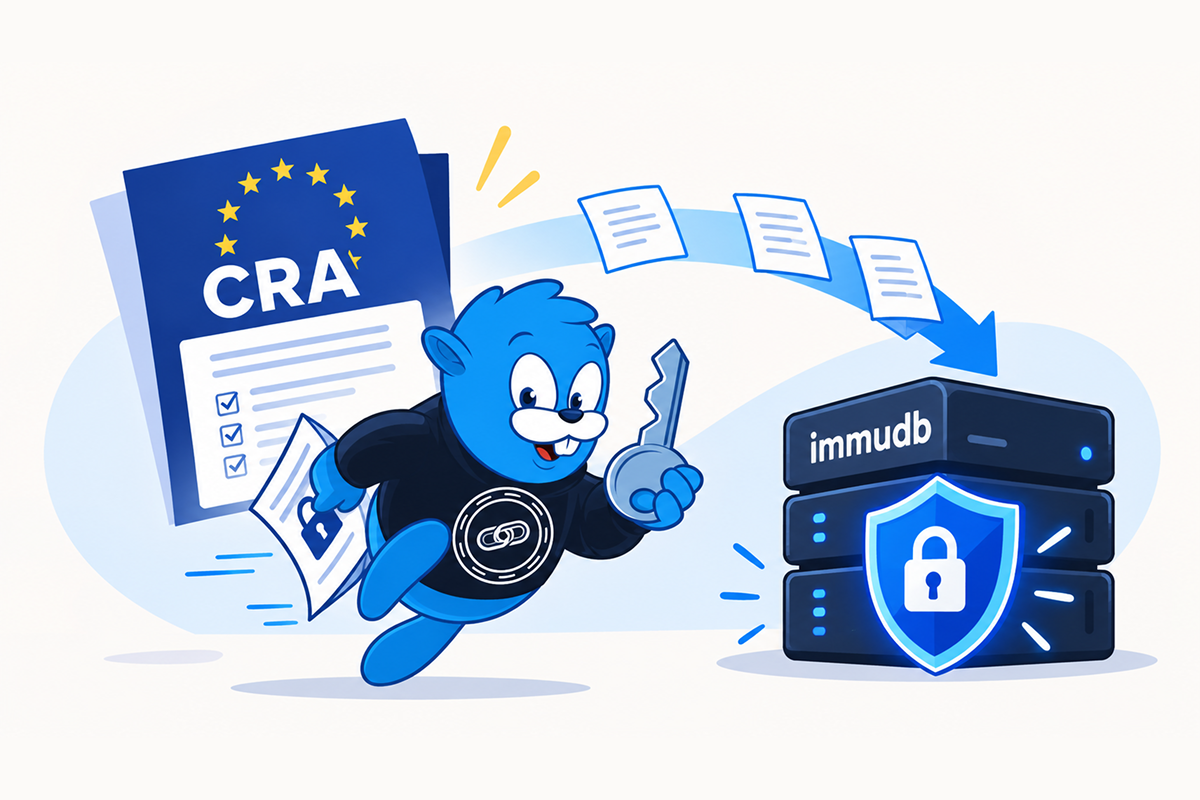
The CRA Turns Cybersecurity History Into Evidence. That Changes Where We Need to Store It
On September 11, 2026, an important part of Europe’s Cyber Resilience Act became real. From that date, manufacturers of products with digital elements must report actively exploited vulnerabilities and severe security incidents under strict timelines. An early warning must be submitted within 24 hours of becoming aware of the vulnerability or incident. A more complete notification follows within 72 hours. For an actively exploited vulnerability, a final report is required no later than 14 days after a corrective or mitigating measure becomes available. Severe incidents have their own final-report deadline of one month after the 72-hour notification.
businesswire.com · 09/22/26
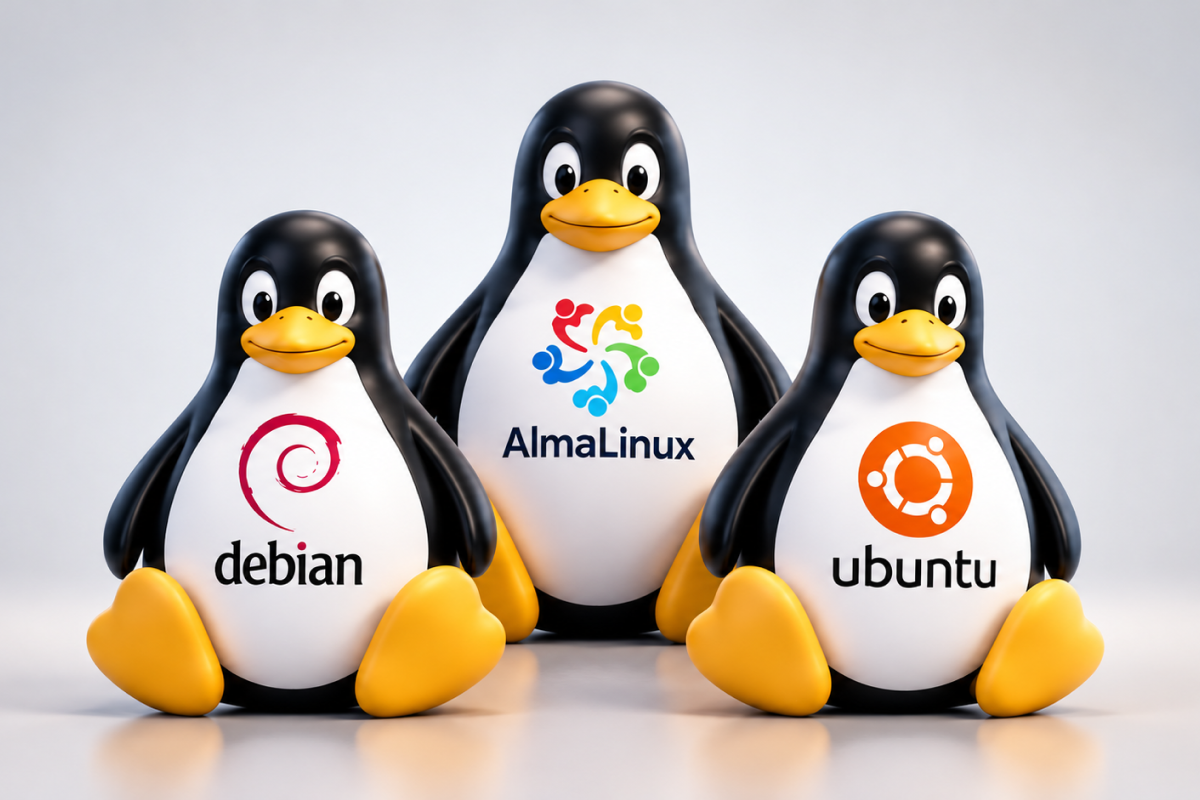
Codenotary Expands Free Linux Security Program to Debian and Ubuntu
Codenotary, leaders in assuring safe and secure use of AI, today announced the expansion of its free Linux security program to Debian and Ubuntu giving organizations access to the complete Codenotary security platform for their first 25 Linux machines at no cost, with no feature restrictions and no expiration date.

securityboulevard.com · 09/22/26
The CRA Turns Cybersecurity History Into Evidence. That Changes Where We Need to Store It
On September 11, 2026, an important part of Europe’s Cyber Resilience Act became real. From that date, manufacturers of products with digital elements must report actively exploited vulnerabilities and severe security incidents under strict timelines. An early warning must be submitted within 24 hours of becoming aware of the vulnerability or incident. A more complete notification follows within 72 hours. For an actively exploited vulnerability, a final report is required no later than 14 days after a corrective or mitigating measure becomes available. Severe incidents have their own final-report deadline of one month after the 72-hour notification.
scworld.com · 09/04/26
Are our AI agents turning rogue?
Agentic AI has been sold to the enterprise on a simple and compelling promise: software can now do more than assist employees. It can perform work on their behalf. In many cases, they can complete in seconds what previously required several employees and multiple approval steps.
businesswire.com · 09/09/26
Codenotary Co-Founder to Deliver Keynote at CCX Cloud Computing Conference
Codenotary today announced that its co-founder and chief technology officer, Dennis Zimmer, will deliver a keynote presentation on September 29 at the CCX Cloud Computing Conference 2026 in Heidelberg, at one of Germany’s leading conferences dedicated to cloud computing, enterprise infrastructure, Kubernetes, DevOps, and AI-powered enterprise technologies.

fossforce.com · 08/26/26
Beyond Syslog: Building a Tamper-Proof E-Commerce Audit Trail with immudb
Immudb can work alongside rsyslog, Loki, Elasticsearch, or an operational database to give Linux administrators a way to preserve and verify the integrity of critical event histories.

securityboulevard.com · 08/18/26
The Governance Gaps Holding Back Enterprise Agentic Networks
AI agents are rapidly becoming part of everyday enterprise operations. Employees now use coding agents, research agents, workflow agents, customer-service agents, and autonomous orchestration systems that can make decisions, call tools, access data, and trigger actions across infrastructure.
techstrong.ai · 08/18/26
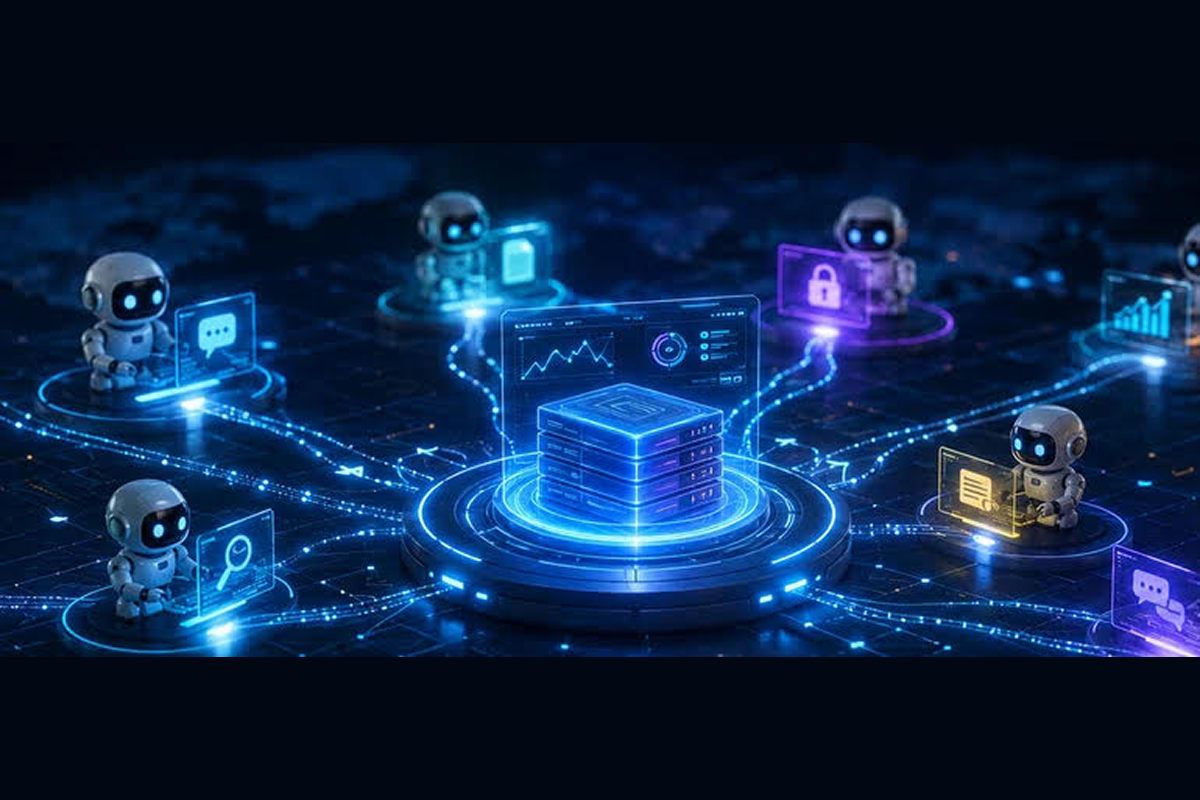
AI Agents Need Their Own Control Plane (like Kubernetes)
The AI industry has spent the past two years obsessing over models. Which LLM scores highest on benchmarks? Which reasoning model is fastest? Which provider has the lowest token price? These are increasingly the wrong questions.
computerweekly.com · 08/16/26
Edge series - Codenotary: Only agents can monitor agents
Edge computing has entered a new phase. What began as a way to reduce latency and process data closer to where it is created is rapidly becoming the operational foundation for enterprise AI. Factories, retail stores, hospitals, utility substations, telecommunications sites, logistics hubs, and smart infrastructure are no longer running simple applications at the edge- they are running fleets of autonomous AI agents.

sdtimes.com · 08/17/26
Why Some Companies Are Pulling Back on AI Coding
Large language models have changed software development at a pace that rivals or exceeds previous tooling shifts. Tasks that once consumed hours (writing boilerplate, generating unit tests, translating APIs, documenting services, or prototyping new features) can now be completed in minutes.
securityboulevard.com · 08/07/26
The Hugging Face Incident Is a Warning: Every Enterprise Needs AI Agents Watching AI Agents
The recent incident involving OpenAI’s autonomous cybersecurity models and Hugging Face should be viewed as more than an isolated laboratory accident. It is an early glimpse into the operational realities organizations will soon face as AI agents become trusted participants in enterprise computing.
efficientlyconnected.com · 08/04/26
Codenotary Uses Claude AI to Secure immudb Development
Codenotary, the company behind the open source immutable database immudb, has been accepted into Anthropic’s Claude for OSS program. The partnership gives Codenotary access to Claude AI to accelerate development of immudb, which provides cryptographically verifiable, tamper-evident data records used in software supply chains, compliance systems, financial infrastructure, and AI workloads.
fossforce.com · 08/02/26
Anthropic’s Claude for OSS Program Adds Codenotary’s immudb
Codenotary says Anthropic’s Claude for OSS program will help accelerate immudb development and improve code quality.
businesswire.com · 07/30/26
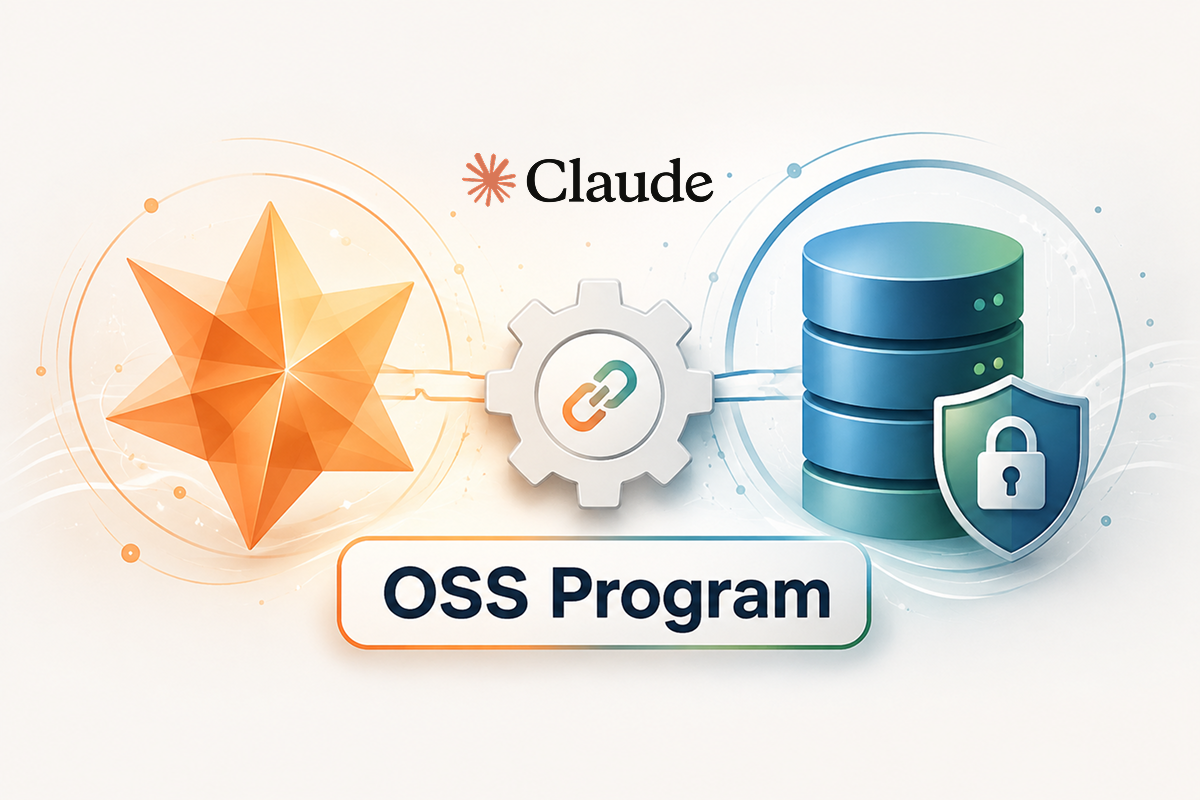
Codenotary Accepted into Anthropic’s Claude for OSS Program to Accelerate Development of immudb
Codenotary, leaders in assuring safe and secure use of AI, today announced it has been accepted into Anthropic’s Claude for OSS program helping to accelerate software development and improve quality.
techzine.eu · 07/27/26
How agentic AI is changing the software code review
Software is built, but before it “ships” to a point of live production, the software engineering team (almost instinctively) initiates a set of peer review and code review processes, which are designed to weed out integrity and defects, and ensure functionality and performance.
efficientlyconnected.com · 07/23/26
Codenotary Free AI-Powered Linux Security for AlmaLinux
Codenotary has announced a permanently free tier of its AI-powered security platform for organizations running AlmaLinux, covering up to 25 machines with no feature restrictions and no expiration date.

businesswire.com · 07/22/26
Codenotary Offers AlmaLinux Users Free AI-Powered Security Platform
Free for 25 machines, platform includes autonomous security, CIS compliance, SBOM management, Linux patching and AI agent monitoring with no feature limits, no trial period and no security team required
businesswire.com · 07/15/26
Codenotary Joins Anthropic Verified Access Program to Advance Autonomous AI Security Research
Codenotary, leaders in assuring safe and secure use of AI, today announced it has joined Anthropic’s Cyber Verification Program, a security research initiative that enables qualified organizations to conduct advanced defensive AI cybersecurity research under Anthropic’s responsible-use framework.
securityboulevard.com · 07/13/26
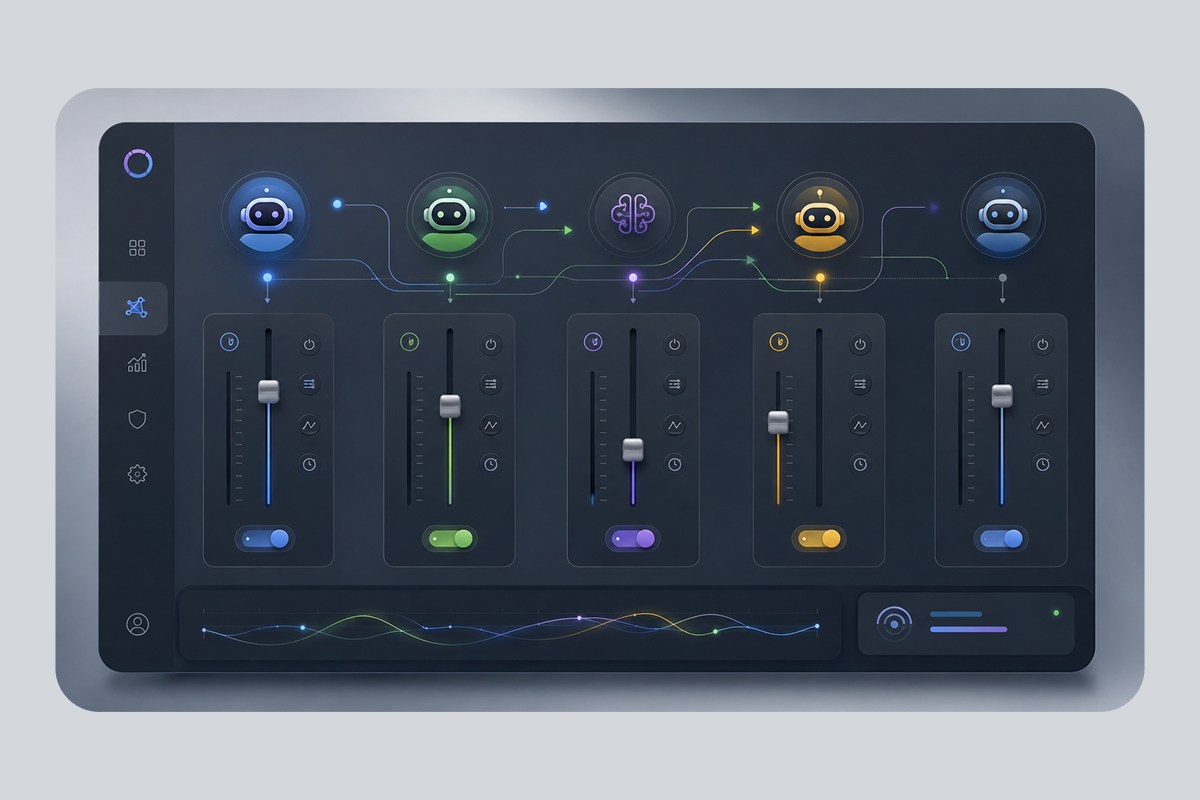
Codenotary Adds Ability to Dynamically Apply Policies to AI Agents
Codenotary CEO Moshe Bar said AgentMon 3 makes it possible for cybersecurity teams to dynamically apply runtime security policies as both changes in patterns are observed and new threats are detected. Every action an AI agent performs continuously shapes a live baseline that cybersecurity teams can use to distinguish normal behavior from risky or anomalous behavior in real time, he added.
computerweekly.com · 07/14/26
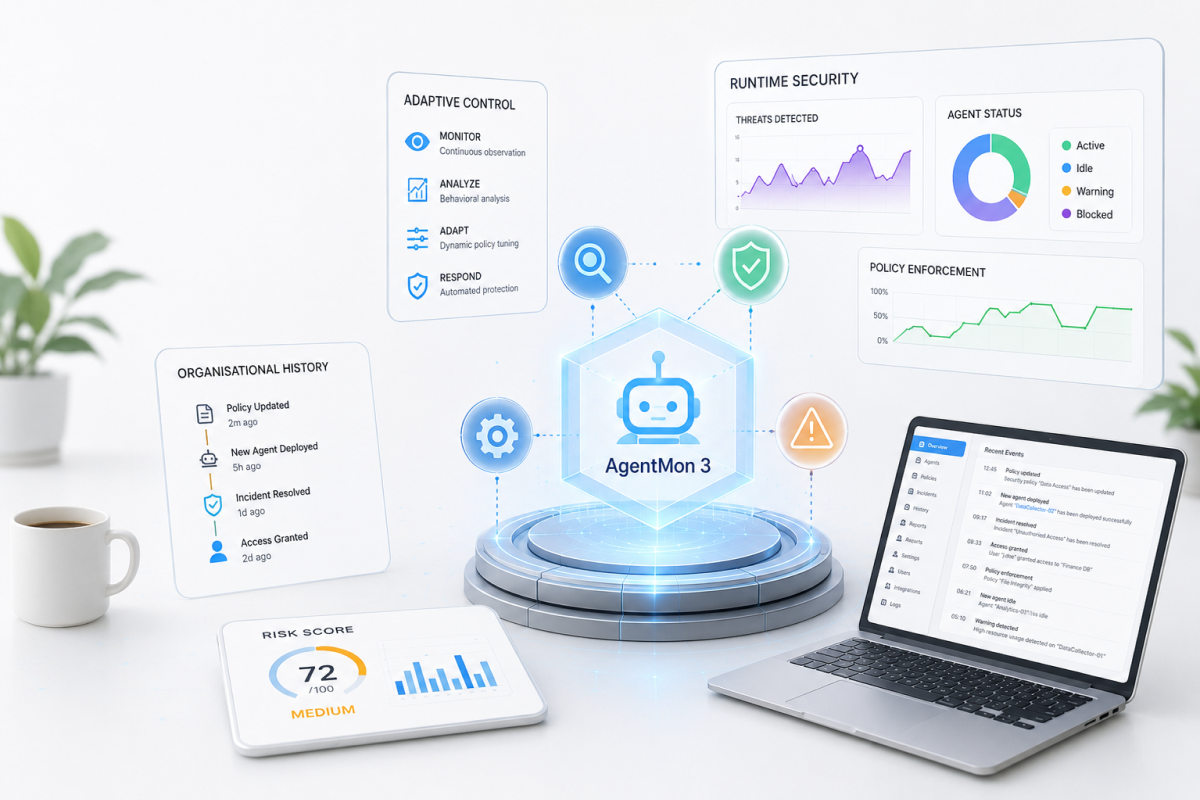
Codenotary AgentMon 3: An adaptive runtime security tool with integrated organisational history
Codenotary has this month detailed its AgentMon 3 offering. This is an enterprise AI security offering with adaptive runtime security policies. What makes a runtime security policy adaptive?
aijourn.com · 07/10/26
Detection Is Only the Beginning: What Agentic Security Platforms Must Do After Identifying Risk
Most discussions around AI security focus on detection. Can the security platform recognize prompt injection? Does it detect credential leakage? Can it identify unauthorized tool usage or sensitive data leaving the organization?
helpnetsecurity.com · 07/08/26
Codenotary launches AI security platform that learns from AI agent behavior
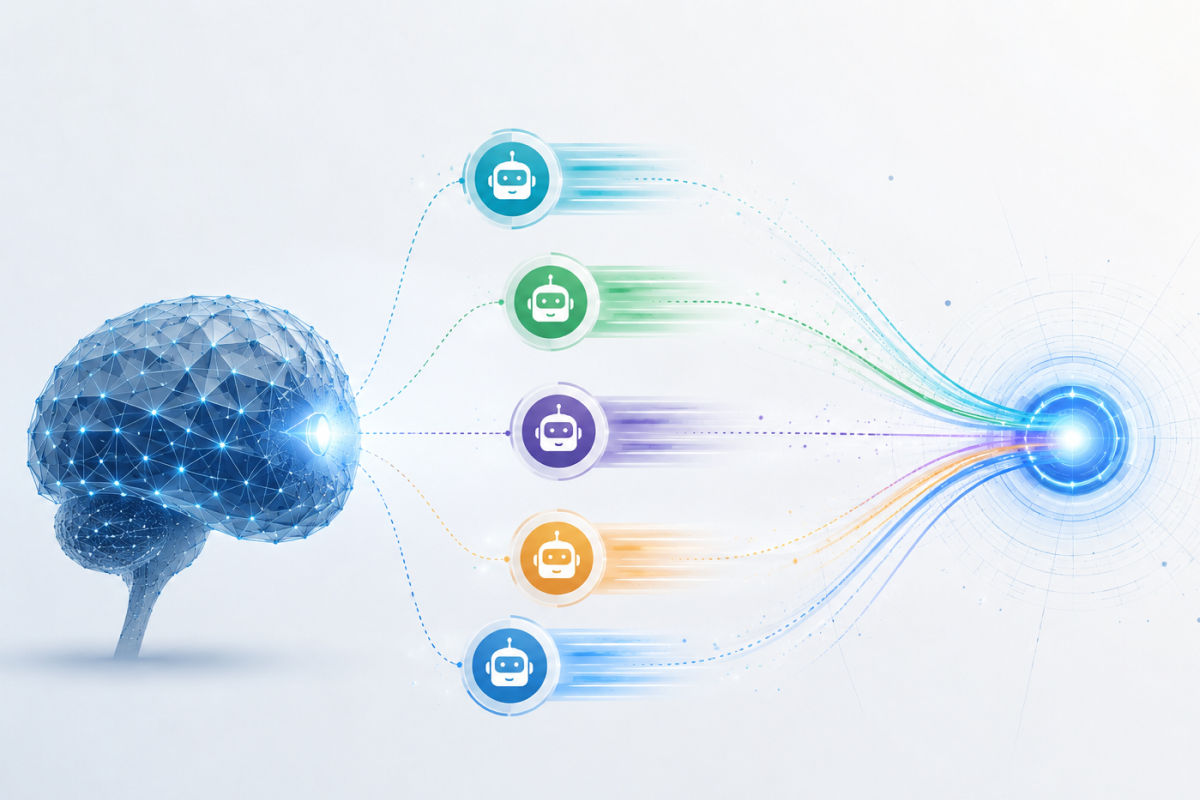
Codenotary has announced AgentMon 3, the latest generation of its enterprise AI security platform, introducing adaptive runtime security policies. These continuously evolve as AI agents operate across an organization by learning from customer-specific workflows, observed behavioral patterns, and threats.
businesswire.com · 07/07/26
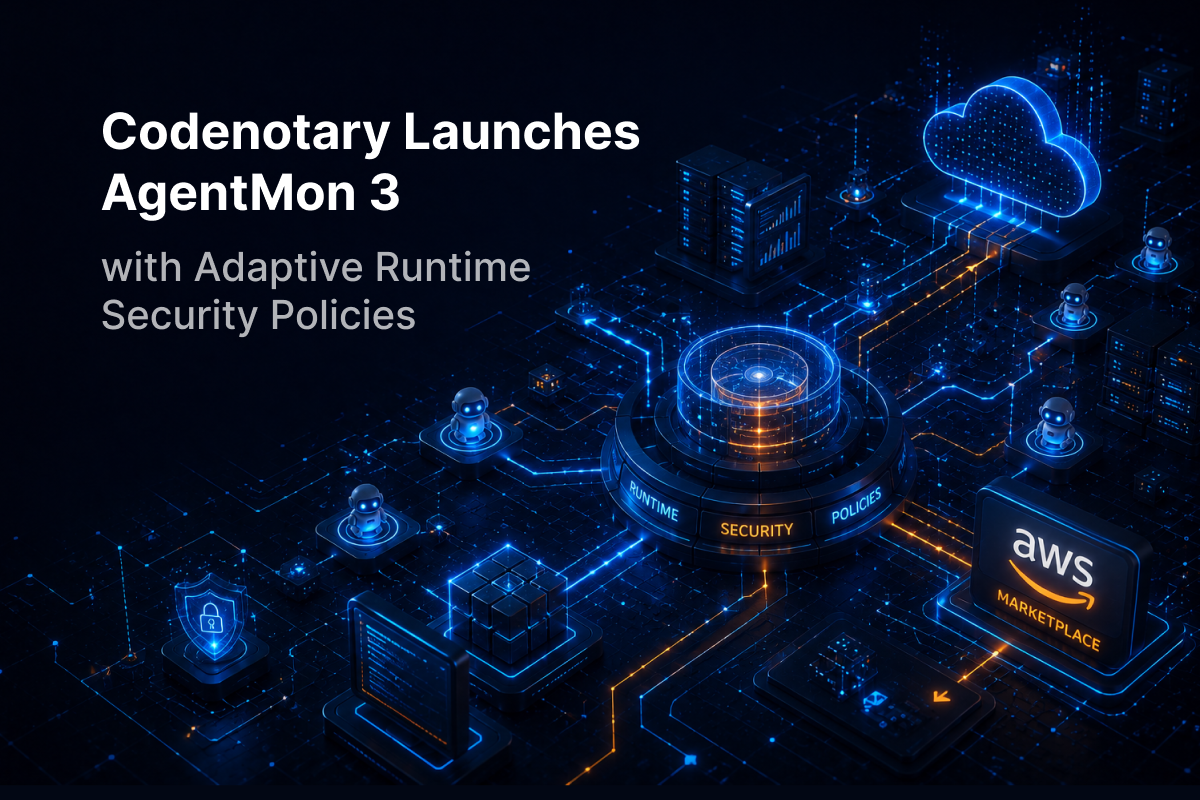
Codenotary Launches AgentMon 3 with Adaptive Runtime Security Policies
Enterprise AI security platform dynamically adapts to customer behavior, protects more than 5 million AI agent interactions every day
techstrong.ai · 06/29/26
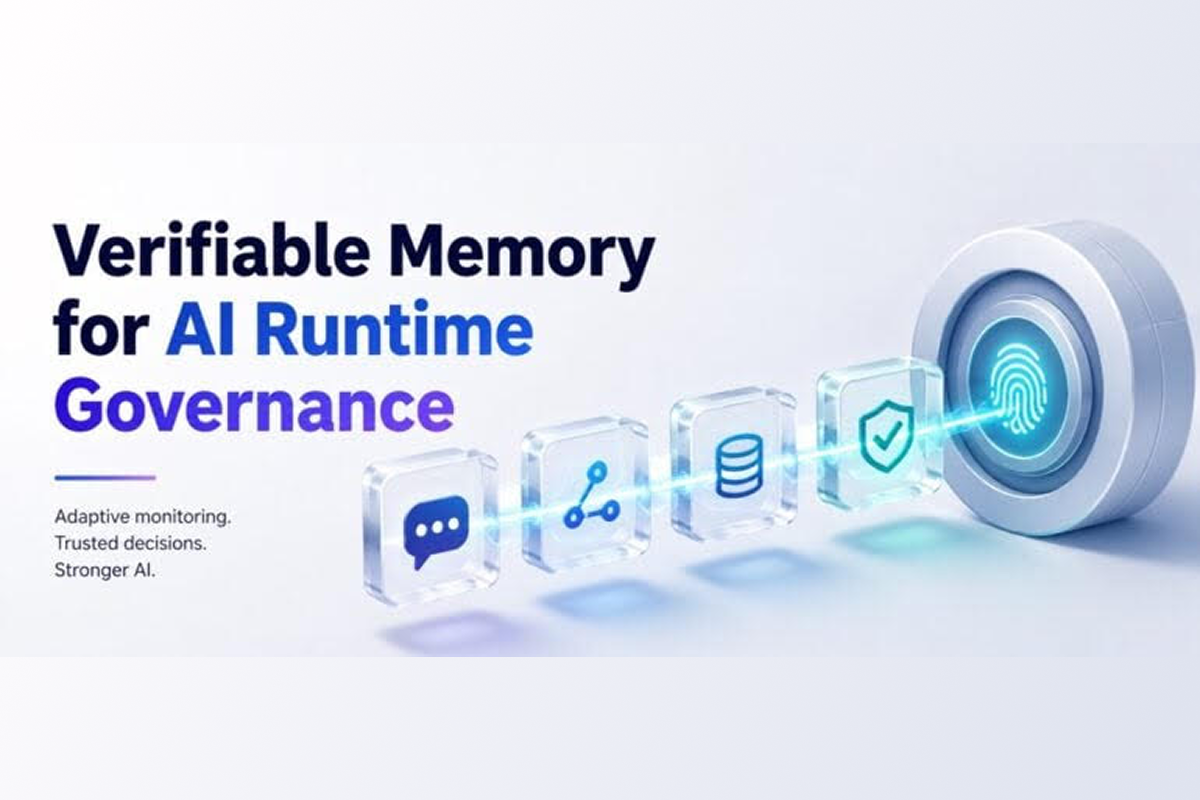
Why Adaptive Monitoring Is the Future of Enterprise AI Agentic Security
The fundamental challenge is that agentic systems are not deterministic workflows. They reason, plan, delegate tasks, invoke tools, retrieve information, and adapt to changing circumstances. Unlike a traditional application, an AI agent can take a different path every time it receives a task.
techzine.eu · 06/16/26
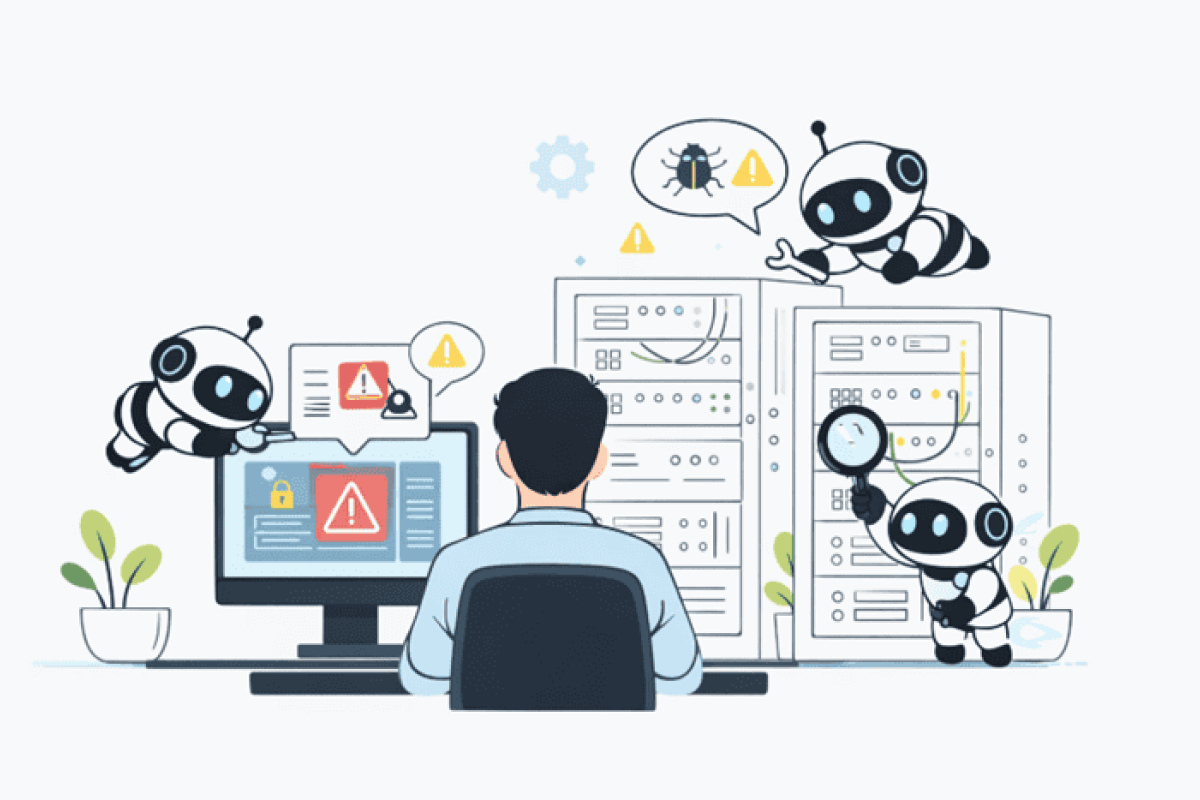
New AI runtime risks demand large-scale AI runtime telemetry
AI safety concerns are everywhere. The technology industry is claiming to be able to address the reality of the risks that do exist from the base-level data provence and infrastructure layer, from the agentic policy control layer, from the controlled agentic code execution layer and from the upper observability layer.

medium.com · 06/15/26
The Top 10 Security Issues When Your Workforce Uses Agentic AI
AI agents are rapidly moving from experimentation into daily enterprise operations. Employees now use agentic systems to write code, analyze financial data, summarize legal documents, automate workflows, manage infrastructure, and interact with customers. Unlike traditional AI assistants, agentic systems do not simply generate responses: they take actions, invoke tools, access systems, and increasingly operate autonomously.

rtinsights.com · 05/10/26
Real-time Analytics News for the Week Ending May 9
Codenotary announced the release of immudb 1.11

thenewstack.io · 05/24/26
Who’s monitoring the agents?
Multi-agent AI systems are live in production, but who is monitoring them? Discover the operational gaps in tracking autonomous agents.

ai-techpark.com · 06/12/26
Codenotary Tops 3M Daily AI Agent Interactions Monitored
AgentMon identifies approximately 210,000 daily security, compliance, operational anomalies across enterprise environments
medium.com · 06/12/26
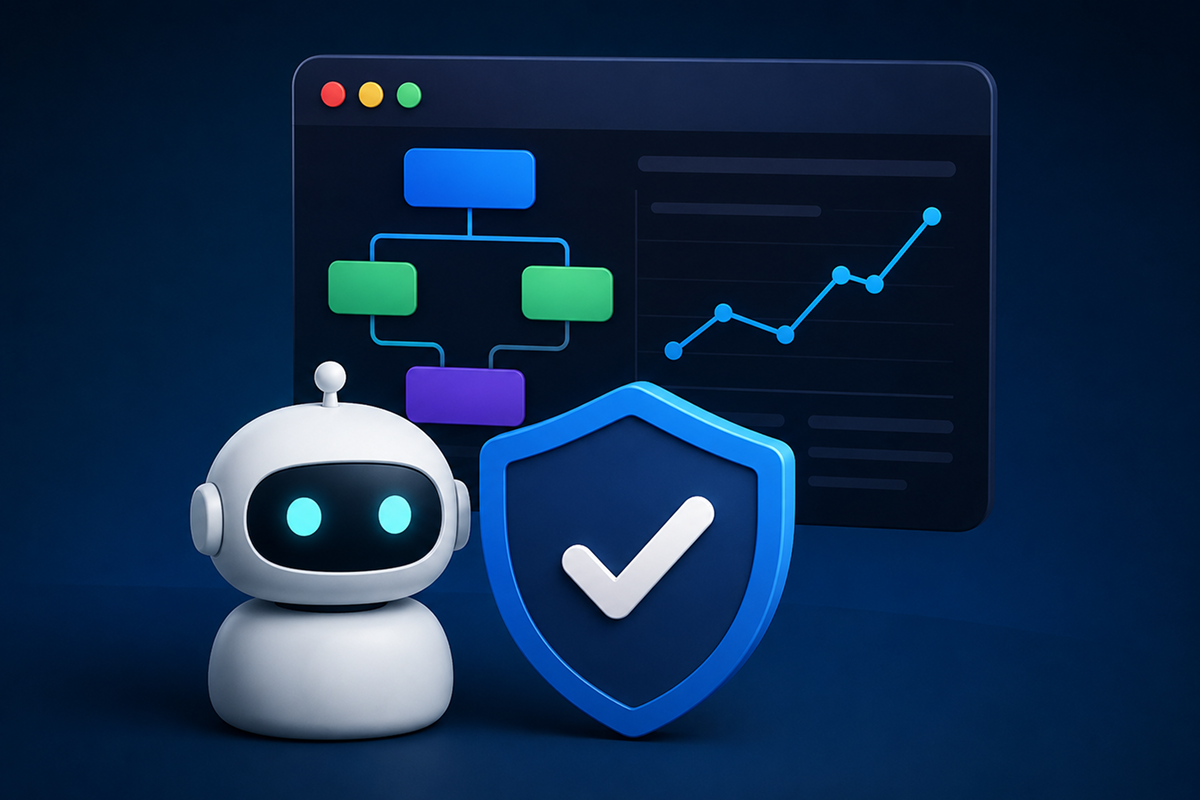
How to Stop Blindly Trusting Your AI Agents: A Tutorial on Codenotary AgentMon
AI agents are running wild across engineering infrastructure. Whether your team is deploying custom LangChain workers, spawning Cursor loops, or running Claude Code, autonomous agents are actively making execution decisions on your systems.

itopstimes.com · 04/01/26
Codenotary Launches Agentic Network Monitoring for Security, Performance and Cost Visibility
Agentic networks are growing explosively, and with that growth come entirely new categories of risk
businesswire.com · 03/31/26
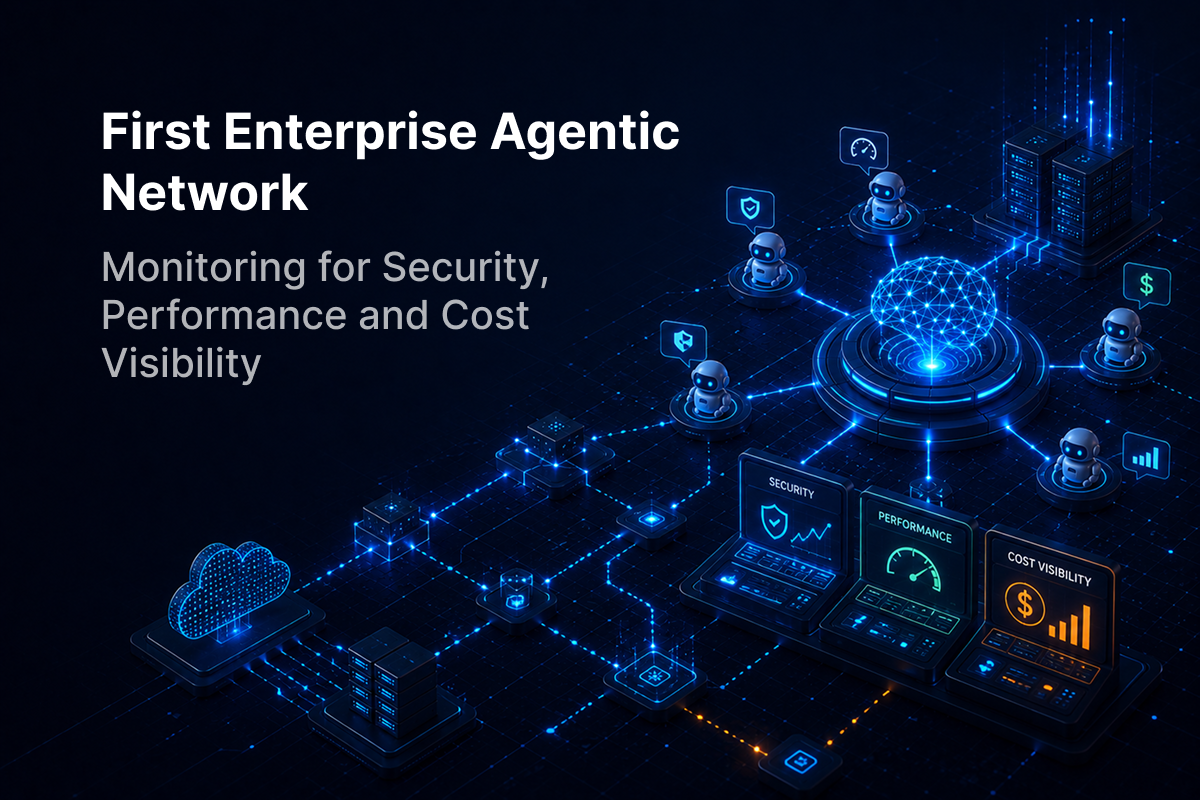
Codenotary Launches the First Enterprise Agentic Network Monitoring for Security, Performance and Cost Visibility
AgentMon provides continuous insight into rapidly-growing agentic AI environments
helpnetsecurity.com · 03/25/26
Codenotary introduces AgentX for autonomous Linux infrastructure security
Codenotary has announced the availability of AgentX, an autonomous platform designed to manage, secure, and protect large-scale Linux infrastructure in the cloud or on-premises through coordinated networks of AI agents.
businesswire.com · 03/24/26
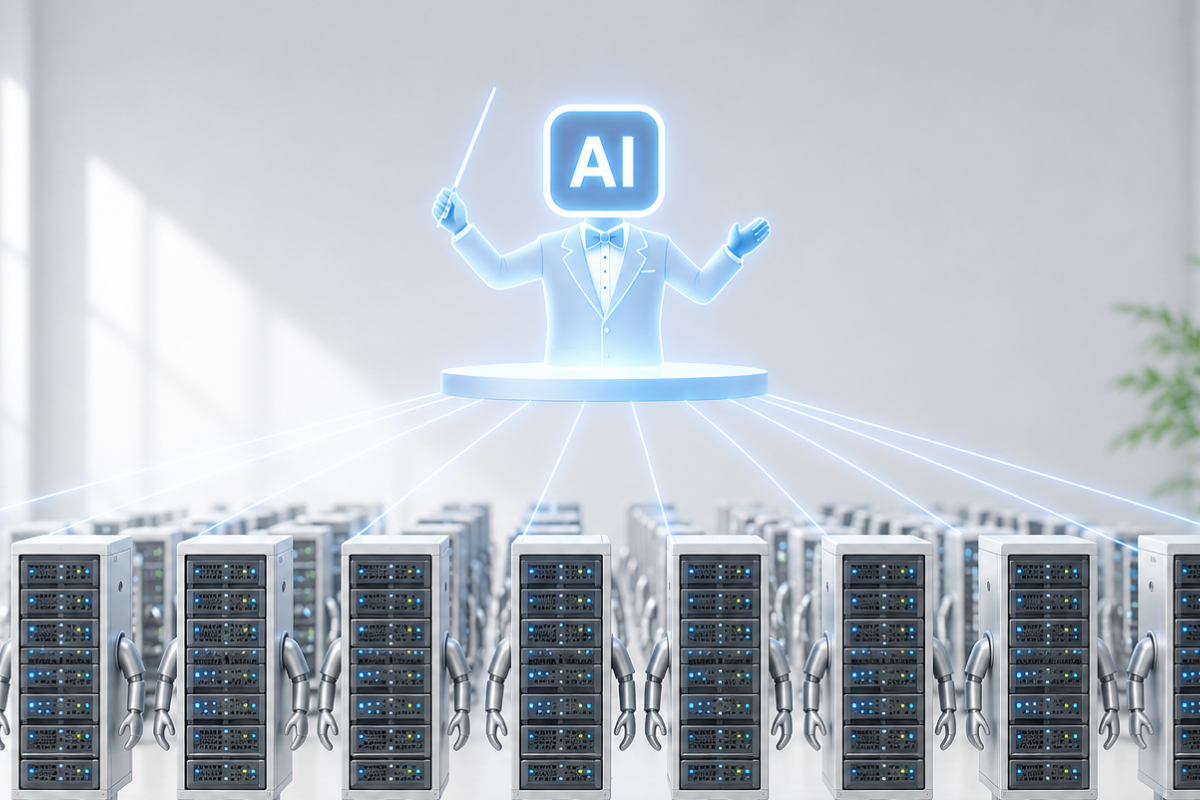
Codenotary Introduces First Autonomous Agentic Platform for Securing and Managing Linux Infrastructure and Securing Code
Multi-agent platform AgentX enables administrators to operate massive server fleets with autonomous protection, compliance reporting, governance, and decision-making.
businesswire.com · 03/05/26
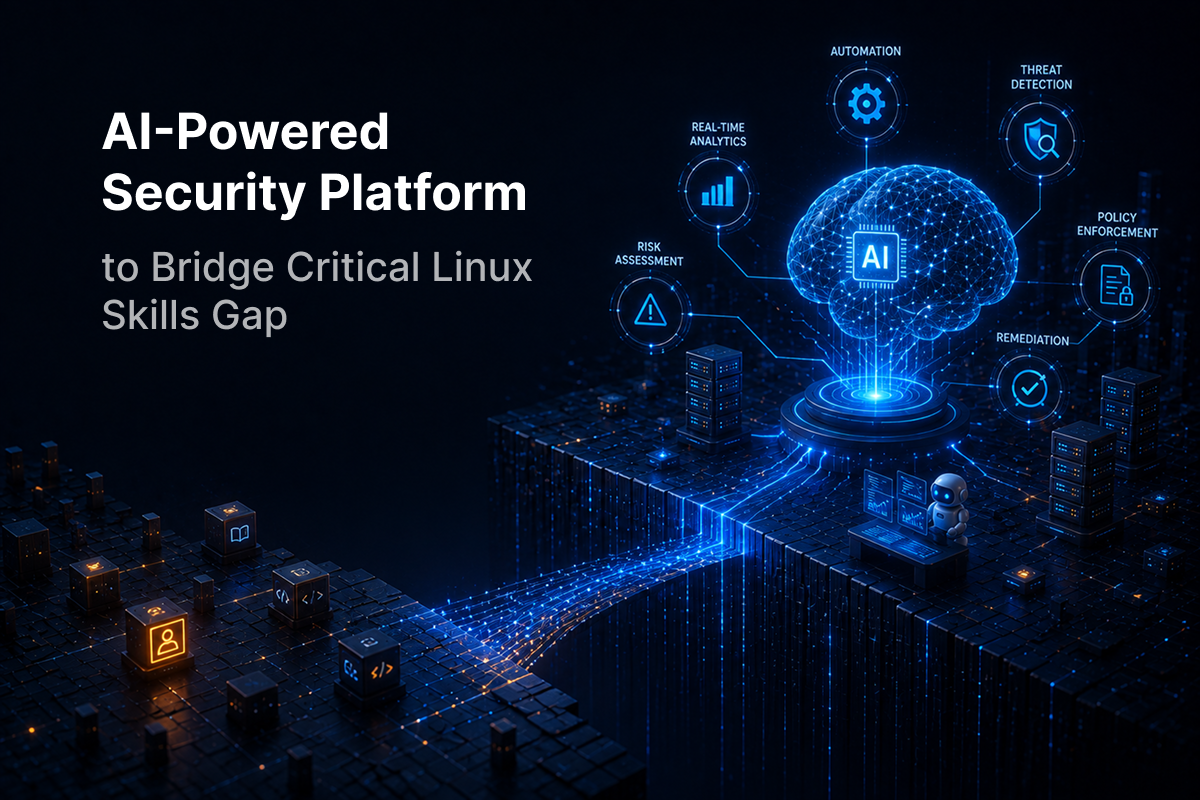
Codenotary Unveils AI-Powered Security Platform to Bridge Critical Linux Skills Gap
SaaS platform secures Linux and applications, fixes configuration issues, and optimizes performance
devops.com · 03/04/26
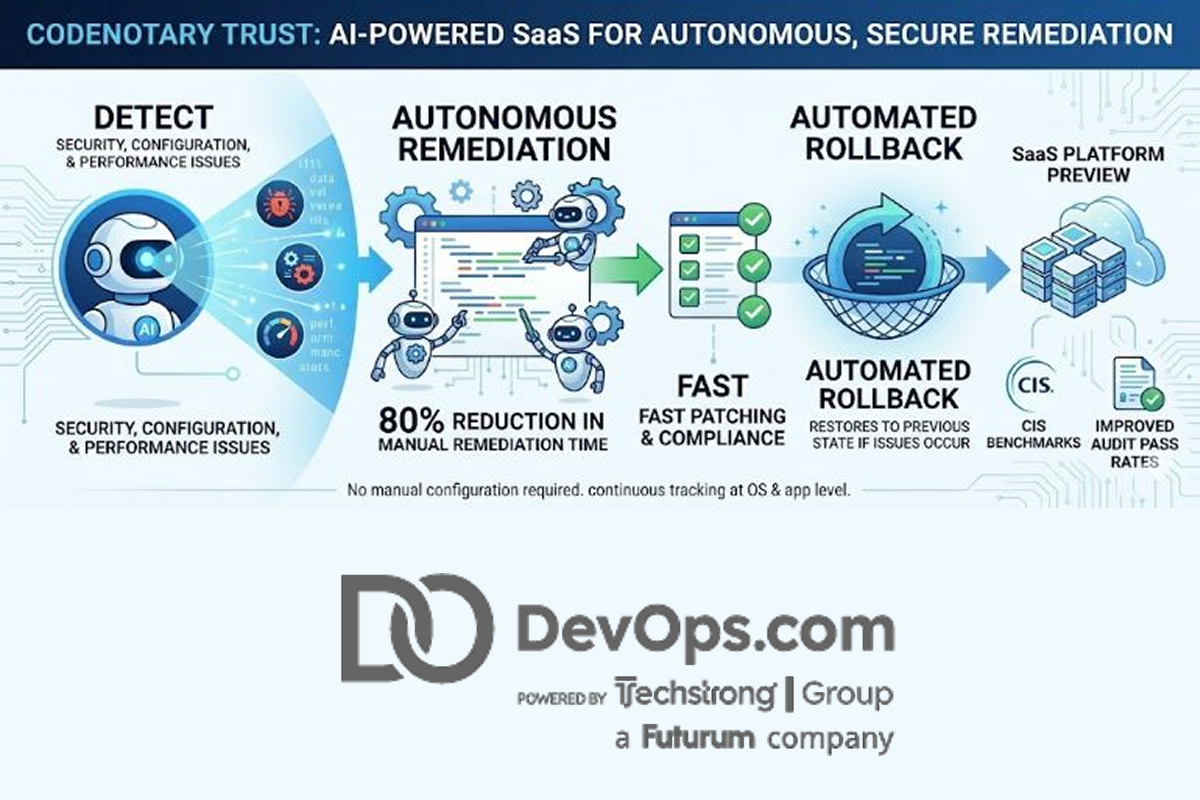
Codenotary Previews AI Platform to Autonomously Detect and Remediate IT Issues
Excited to see our work featured on DevOps.com: a preview of our AI platform that autonomously detects and remediates IT issues. 🚀 Great step toward truly self-healing infrastructure.

securityboulevard.com · 03/03/26
The New Security Reality: When AI Accelerates Both Attack and Defense
AI is collapsing the time between vulnerability discovery and exploitation, and unless defense becomes autonomous and operates at machine speed, human-driven security workflows simply won’t keep up.
businesswire.com · 02/10/26
Codenotary Awarded U.S. Patent for Cryptographically Verifiable, Immutable Database Technology
Serves as foundation for company’s software supply chain security products
devops.com · 01/26/26
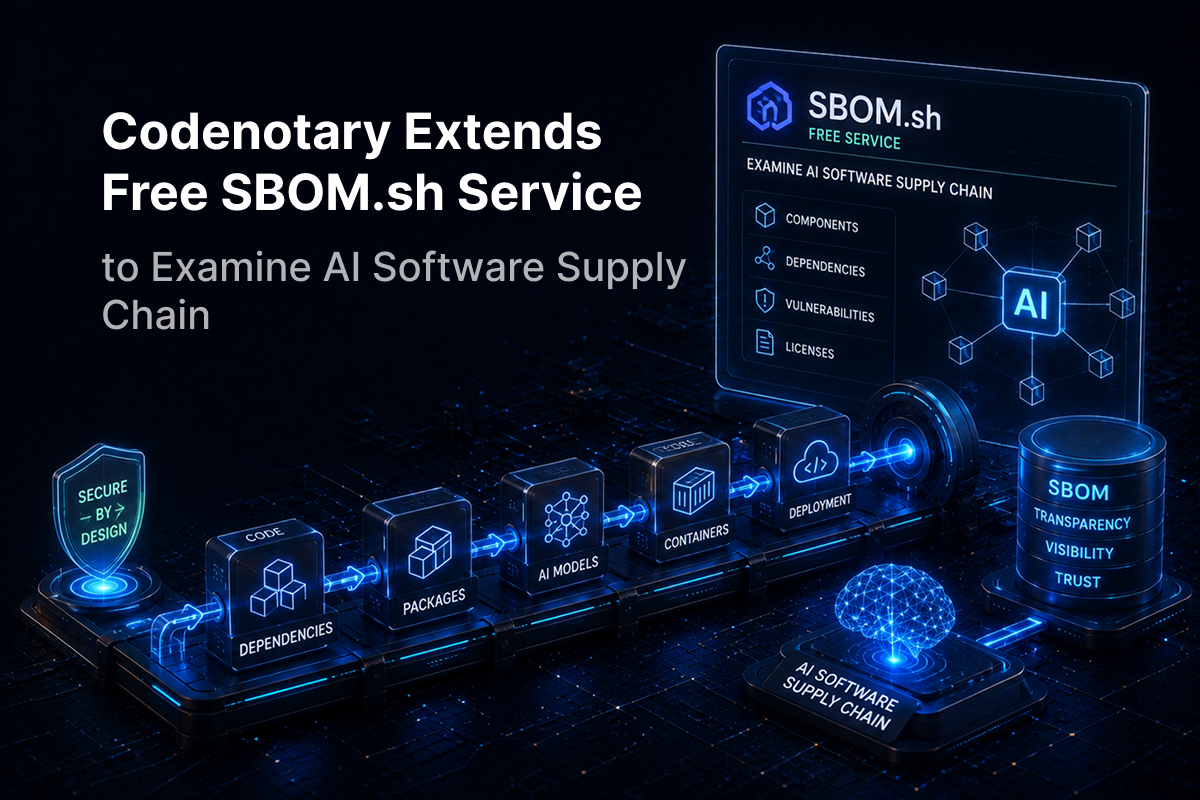
Codenotary’s Free SBOM Service Tackles the AI Software Supply Chain
Just because AI is writing your code doesn’t mean you can stop worrying about software bills of materials.
businesswire.com · 01/21/26
Codenotary Extends Free SBOM.sh Service to Examine AI Software Supply Chain
Improves visibility into data supporting AI applications to improve security and compliance
businesswire.com · 01/13/26
Codenotary Granted U.S. Patent for Breakthrough Cryptographic Proof Technology
Foundation of company’s large-scale software supply chain security products